
25 September
Nature-based Solutions: an imperative for Mediterranean coastal zones
#MedCoastDay #Act4Med #BarcelonaConvention
A call to action for our coastal communities
Mediterranean Coast Day is an annual celebration of our shared coast and a reminder of our collective responsibility to protect it. Bringing together institutions, experts, communities, and citizens, Coast Day inspires solutions, raises awareness, and promotes lasting action for coastal resilience year-round.
The date marks Slovenia’s ratification of the ICZM Protocol in 2009 – a groundbreaking agreement that united 21 Mediterranean countries to advance sustainable coastal development across the region.
Coast Day is part of the UNEP/MAP Barcelona Convention system and is coordinated by PAP/RAC, the regional activity centre for coastal management.
2026 Action theme
Nature-based Solutions
Today, the Mediterranean is one of the world’s regions most exposed to the triple planetary crisis, climate change, biodiversity loss and pollution.
Rising sea levels, accelerating erosion, more frequent flooding, and growing water scarcity: coastal zones bear the brunt of these impacts, even as they host a growing share of the basin’s population and welcome tens of millions of visitors each year.
Faced with these combined pressures, how we protect and plan our coasts is no longer a purely technical question – it has become a matter that shapes the future of Mediterranean societies.
Planning with Nature
Rethinking resilience on the Mediterranean coast
Editorial by Daria Povh-Škugor (PAP/RAC Director)
Tomorrow is Mediterranean Coast Day. And this year, we celebrate it from Cyprus, in the heart of the Mediterranean.
We are grateful to our hosts in Cyprus for welcoming the Mediterranean Coast Day community and bringing us together around the coast we all share. We are also delighted that this year’s celebration is organised in partnership with the EU Horizon DesirMED Adaptation Festival, joining forces around a shared ambition to turn nature-based climate adaptation into action. There could hardly be a more fitting setting to reflect on the future of our Mediterranean coast—and on how we can make it more resilient.
As climate risks intensify across the region, nature plays an increasingly important role in that resilience. This is why Coast Day 2026 is dedicated to Nature-based Solutions: actions that protect, sustainably manage and restore ecosystems while addressing societal challenges and benefiting both people and nature.
The message is simple: healthy nature is essential to our safety, prosperity and wellbeing.
Wetlands can retain water and reduce flooding. Dunes absorb wave energy and help protect settlements from erosion and storms. Seagrass meadows stabilise sediments and support marine life. Well-managed landscapes can reduce runoff, erosion and wildfire risk.
Healthy ecosystems are not passive features of our landscapes. They perform functions on which our resilience depends.
The coast is a connected living system
Read more
The Mediterranean coast is not simply a line separating land from sea. It is a connected system of wetlands, forests, rivers, aquifers, agricultural landscapes, cities, islands and marine ecosystems. What happens in a river basin or the wider coastal territory can eventually affect the coastline and the sea. This leads to an important principle: a coastal problem does not necessarily have a coastal solution.
Building coastal resilience therefore requires us to look beyond the shoreline.
This thinking is central to the ecosystem approach and Integrated Coastal Zone Management. The Mediterranean ICZM Protocol provides the legal foundation for putting it into practice, from protecting coastal ecosystems to developing integrated strategies and plans, and addressing natural hazards.
It is also the starting point of PAP/RAC’s publication, Nature-based Solutions for Adaptation to Climate Change in Different Coastal Typologies of the Mediterranean. The Mediterranean does not have one uniform coast, and Nature-based Solutions cannot be one-size-fits-all. Each intervention must respond to the ecosystem, the challenge and the local context, while recognising trade-offs and providing for long-term management.
Planning with nature from the start
Too often, Nature-based Solutions remain isolated pilot projects or enter the process only after the main development and investment decisions have already been made.
This needs to change.
If we want Nature-based Solutions to become mainstream, we need to bring them upstream—into the decisions where development is actually shaped.
When governments and municipalities plan responses to flooding, erosion, heat, water scarcity or wildfire, Nature-based Solutions should be considered from the beginning, alongside engineering and hybrid solutions.
Instead of asking: Where can we add a Nature-based Solution?
we should ask: How do we want this territory to develop—and what role can nature play in making it resilient?
This also requires stronger coordination. Coastal management, water management, spatial planning, biodiversity, agriculture, tourism and disaster-risk reduction are still too often addressed separately, although ecosystems and climate risks do not follow sectoral or administrative boundaries.
Investment decisions must also recognise nature’s wider value. Comparing a concrete wall with an ecosystem-based solution only through construction costs or a single protective function misses benefits such as biodiversity, water regulation, recreation, climate adaptation and livelihoods, as well as the need for long-term management.
Planning with nature does not mean replacing engineering with nature. It means asking from the start what natural, technical or combined measures can provide the most resilient response.
Wildfire: a test of integrated resilience
Wildfires show why this shift is urgent.
In coastal territories, their impacts extend far beyond the area burned. Fires can simultaneously threaten lives, settlements, infrastructure, tourism, agriculture, water resources and biodiversity. Afterwards, exposed slopes become vulnerable to erosion and landslides, while runoff carries ash, sediment, and pollutants toward rivers, beaches, and the sea.
One event can cascade through an entire coastal system.
We therefore need to invest not only in emergency response, but in prevention, preparedness and long-term landscape resilience. UNEP’s Fire Ready Formula calls for two-thirds of wildfire expenditure to go towards planning, prevention, preparedness and recovery, with one-third reserved for response.
Nature-based and landscape-management measures—from managed grazing and diverse landscape mosaics to healthy wetlands and well-managed vegetation—can contribute to more fire-resilient territories.
But working with nature also means understanding nature. More vegetation does not automatically mean greater resilience. Measures must reflect local conditions and natural fire regimes and avoid unintentionally increasing fuel loads or landscape flammability.
The direction is clear: we need to move from reacting to disasters towards managing risk and planning for resilience.
Resilient ecosystems, resilient communities
But resilience cannot be built through technical planning alone.
People who live and work in coastal territories hold knowledge, relationships, resources and capacities that are themselves part of resilience. Municipalities, scientists, businesses, landowners, civil society and local communities all hold part of what is needed to understand risks, navigate trade-offs and implement solutions.
Participation must therefore begin early enough to influence decisions—not after the main choices have already been made.
And resilience has an even more human dimension. History repeatedly teaches us that communities find their footing again not only individually, but by coming together. Shared natural and public spaces allow people to meet, exchange knowledge and resources, rebuild relationships and strengthen their capacity to respond.
Resilient territories need both healthy ecosystems and connected communities.
Nature. Connection. Action.
Coast Day 2026 is an opportunity to celebrate the potential of Nature-based Solutions—but also to ask how we move them from isolated interventions into the mainstream of Mediterranean coastal planning.
Three words capture the direction:
Nature—because it is not only something we need to protect. It is an essential part of the response to the challenges we face.
Connection—because our ecosystems are connected, our risks are connected, and resilience is not built in isolation, but together.
Action—because we have no more time to lose. And effective action begins with smart planning.
This Coast Day, let us move from repairing yesterday’s damage towards planning tomorrow’s resilience.
Let us plan earlier. Plan wider. Plan together. And above all, let us plan with nature.
Coast Day 2026: harnessing nature to build resilient coasts
Nature-based Solutions
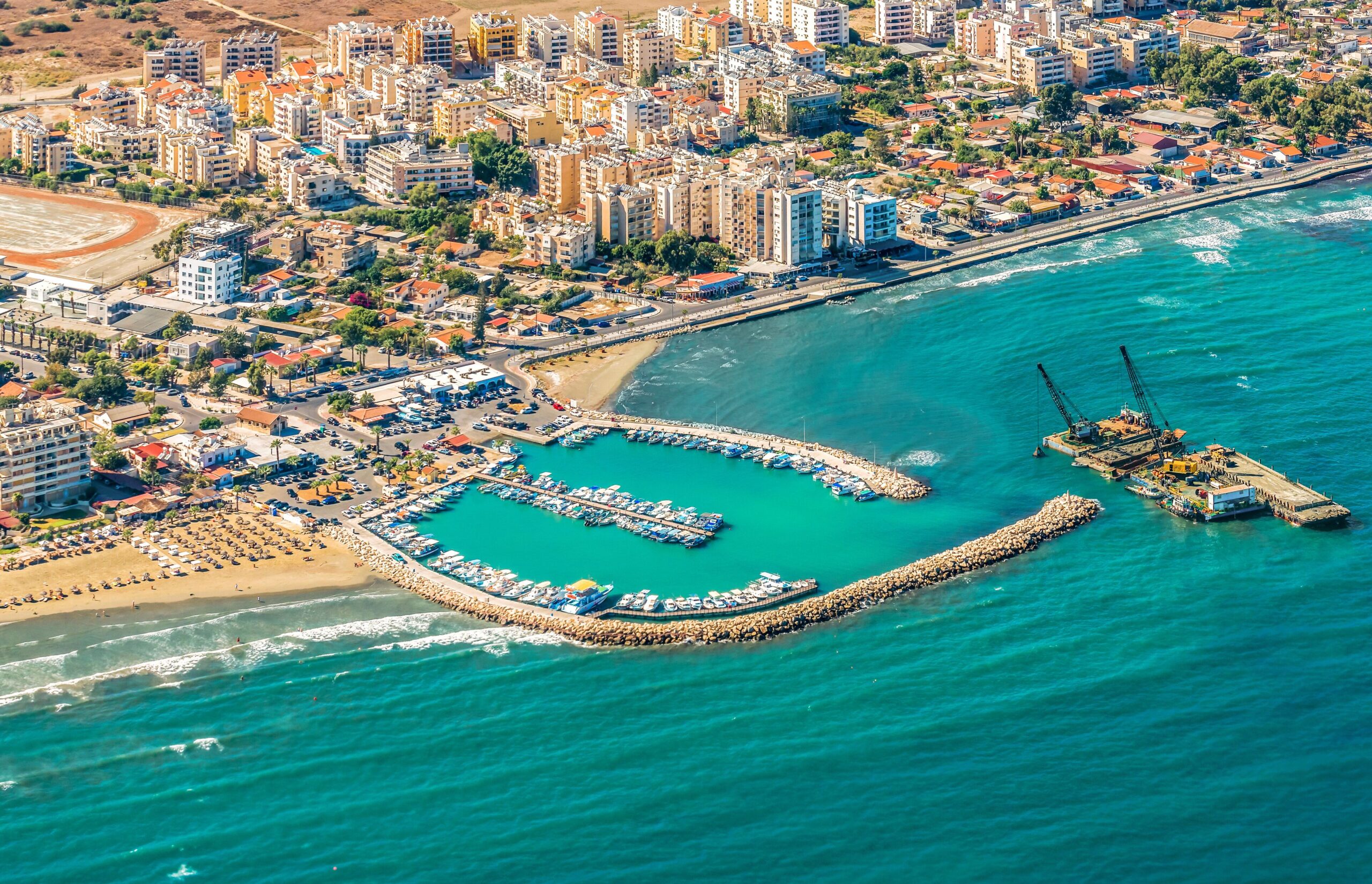
On Friday 25 September 2026, Coast Day will take place in Larnaca, Cyprus, for a new edition focusing on Nature-based Solutions. The UNEP/MAP event, implemented by PAP/RAC and co-organised with the Department of Environment of the Cyprus Ministry of Agriculture, Rural Development and Environment under the DESIRMED project, aims to demonstrate that nature itself can be a powerful ally in addressing the growing challenges facing the Mediterranean coastal zones.
The event will be followed on Saturday by the first DesirMED Adaptation Festival, held back-to-back in Larnaca. Open to the public, the Festival will bring together discussions, interactive activities, exhibitions, games and music around the theme of climate adaptation in the Mediterranean, including a photo exhibition showcasing collective and individual efforts to build climate-resilient landscapes across the region.
The limits of conventional responses
For decades, coastal protection has relied heavily on “hard” engineering infrastructure, dykes, groins, seawalls. While these structures provide immediate protection, they come with structural limitations: they fix the shoreline in place, often shift erosion onto neighbouring areas, heavily impact natural habitats, and require costly, ongoing maintenance. In the context of accelerating climate change, these solutions are also increasingly overwhelmed by hazards whose intensity and frequency now exceed the assumptions behind their original design.
A credible and complementary alternative
Nature-based Solutions, dune restoration, wetland rehabilitation, seagrass protection, soft shoreline management, offer a different response and, in many cases, an equally effective one. By relying on natural mechanisms for absorbing wave energy, retaining sediment and regulating water flows, they provide dynamic protection capable of adapting over time rather than locking in a situation that is bound to evolve.
Their value extends well beyond protection alone. Nature-based Solutions regenerate ecosystems essential to marine and coastal biodiversity, contribute to carbon sequestration, support local economic activities, small-scale fisheries, sustainable tourism and, over the long term, prove significantly less costly to maintain than equivalent grey infrastructure.
A response suited to Mediterranean realities
In the Mediterranean basin, these approaches are particularly relevant due to a densely urbanised coastline, intense seasonal tourism pressure, the presence of ecosystems such as dunes, lagoons, Posidonia meadows, that are both fragile and highly functional, and marked economic vulnerability to extreme climate events. In this context, Nature-based Solutions are not a peripheral option but a strategic tool for Integrated Coastal Zone Management (ICZM), capable of reconciling protection, economic development and the preservation of natural heritage.
A necessary shift in approach
Adopting Nature-based Solutions across the Mediterranean, however, requires a shift in mindset among decision-makers, engineers, spatial and development planners, and all those involved in shaping coastal governance: embracing more dynamic coastal management, strengthening governance and cross-sectoral coordination, investing in scientific knowledge of local ecosystems, and integrating these approaches from the earliest stages of planning rather than as a one-off response to crisis. It is precisely this transition, from resistance to adaptation, from control to cooperation with natural dynamics, and from fragmented decision-making to integrated coastal governance, that Mediterranean institutions, foremost among them UNEP/MAP, are working to support, alongside governments and coastal communities across the region.
This is why the Mediterranean is coming together this September to place Nature-based Solutions at the centre of the conversation on coastal resilience.
Mediterranean Coast Day 2026 visuals
Download official Coast Day 2026 visuals, logo, poster, banners, and social media graphic, to help promote your event
Explore past editions
Mediterranean Coast Day 2025
shines a spotlight on the institutions that drive meaningful change across the Mediterranean, recognizes and celebrates their efforts and invites everyone to get involved in supporting the people and processes shaping our coastal communities. The main celebration held in Tunis, Tunisia
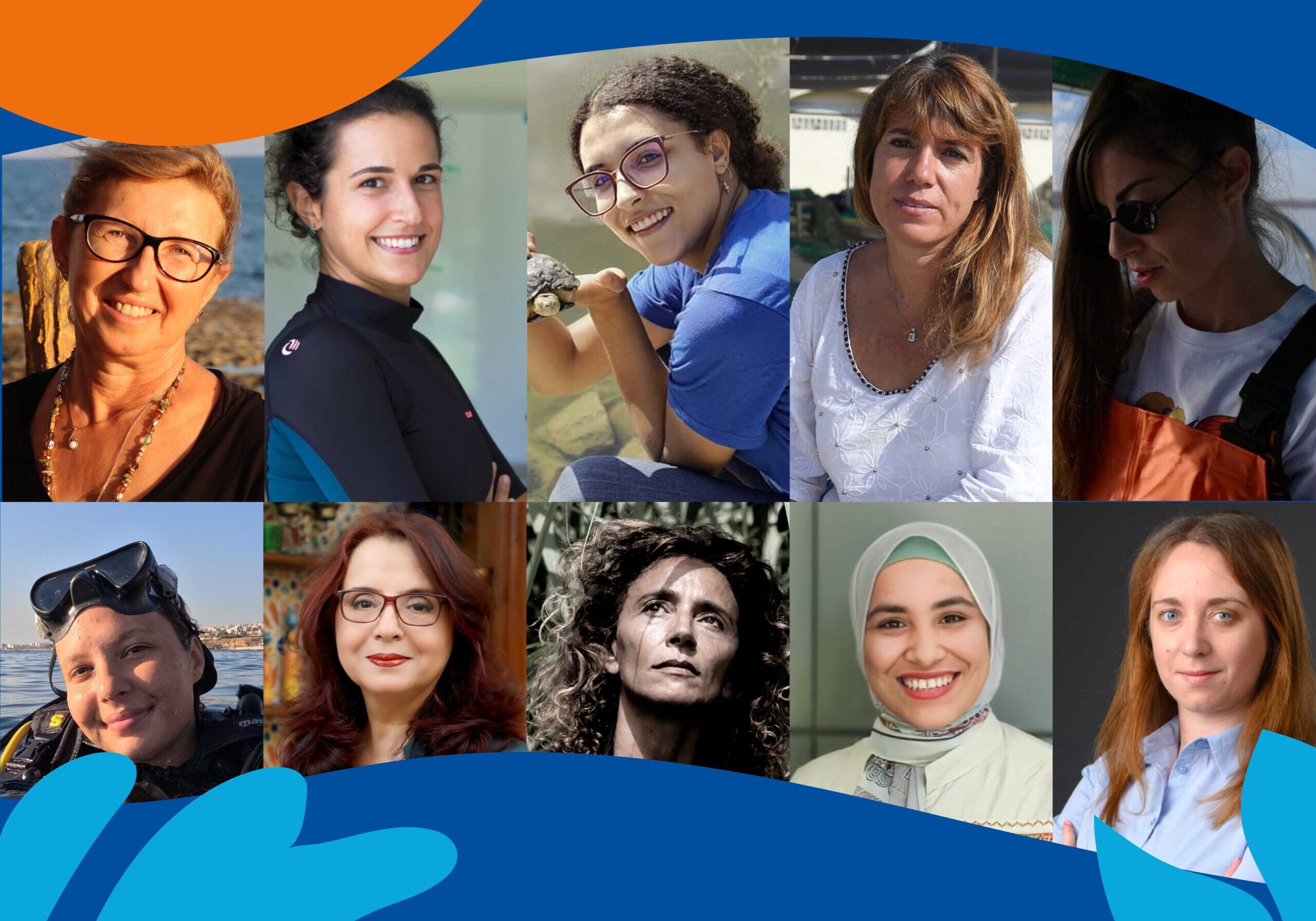
Mediterranean Coast Day 2024 celebrated the essential roles women play in achieving coastal sustainability, with the regional celebration held in Annaba, Algeria
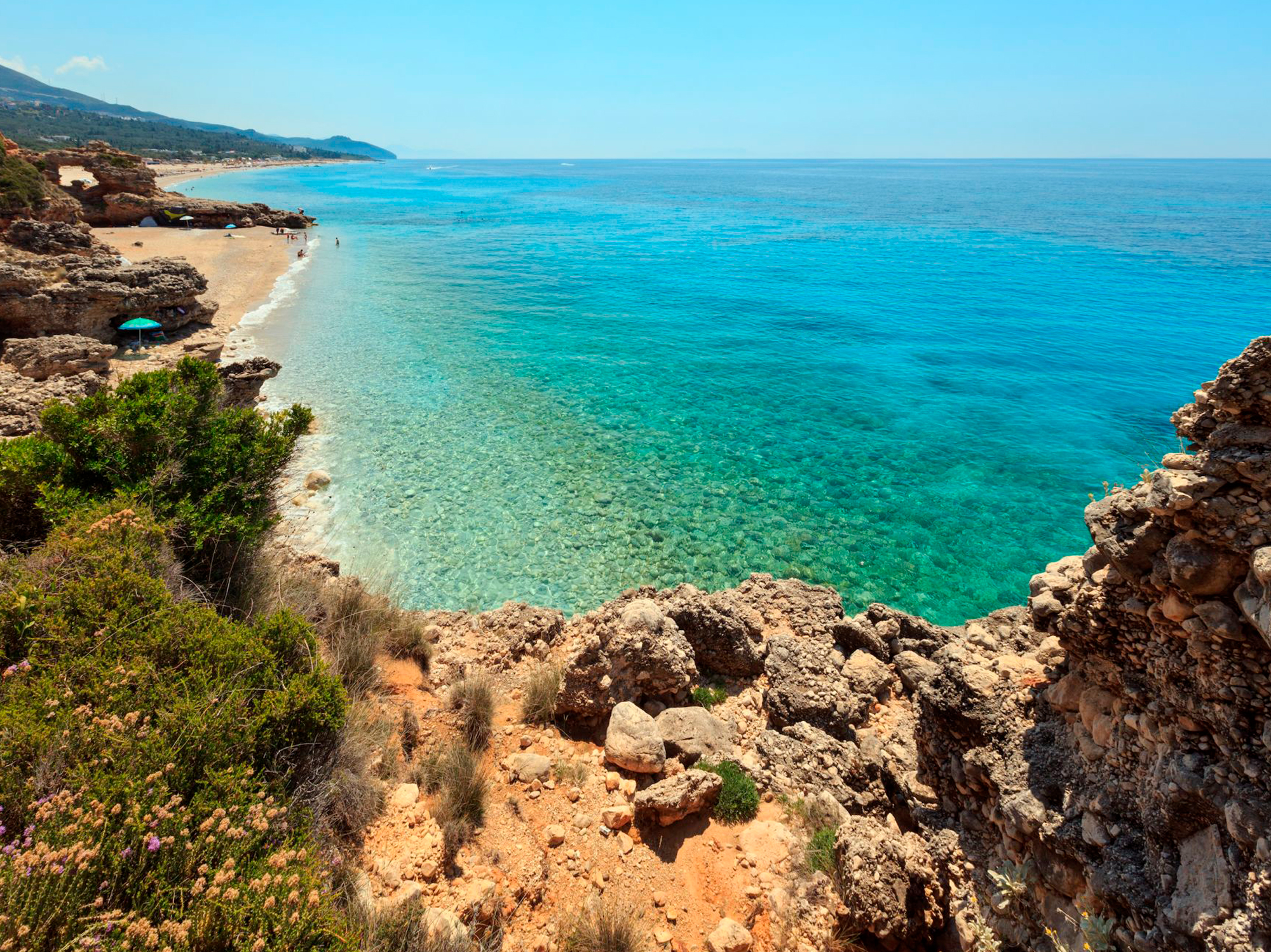
Mediterrean Coast Day 2023 focused on coastal aquifers, with the main celebration held in Vlora, Albania
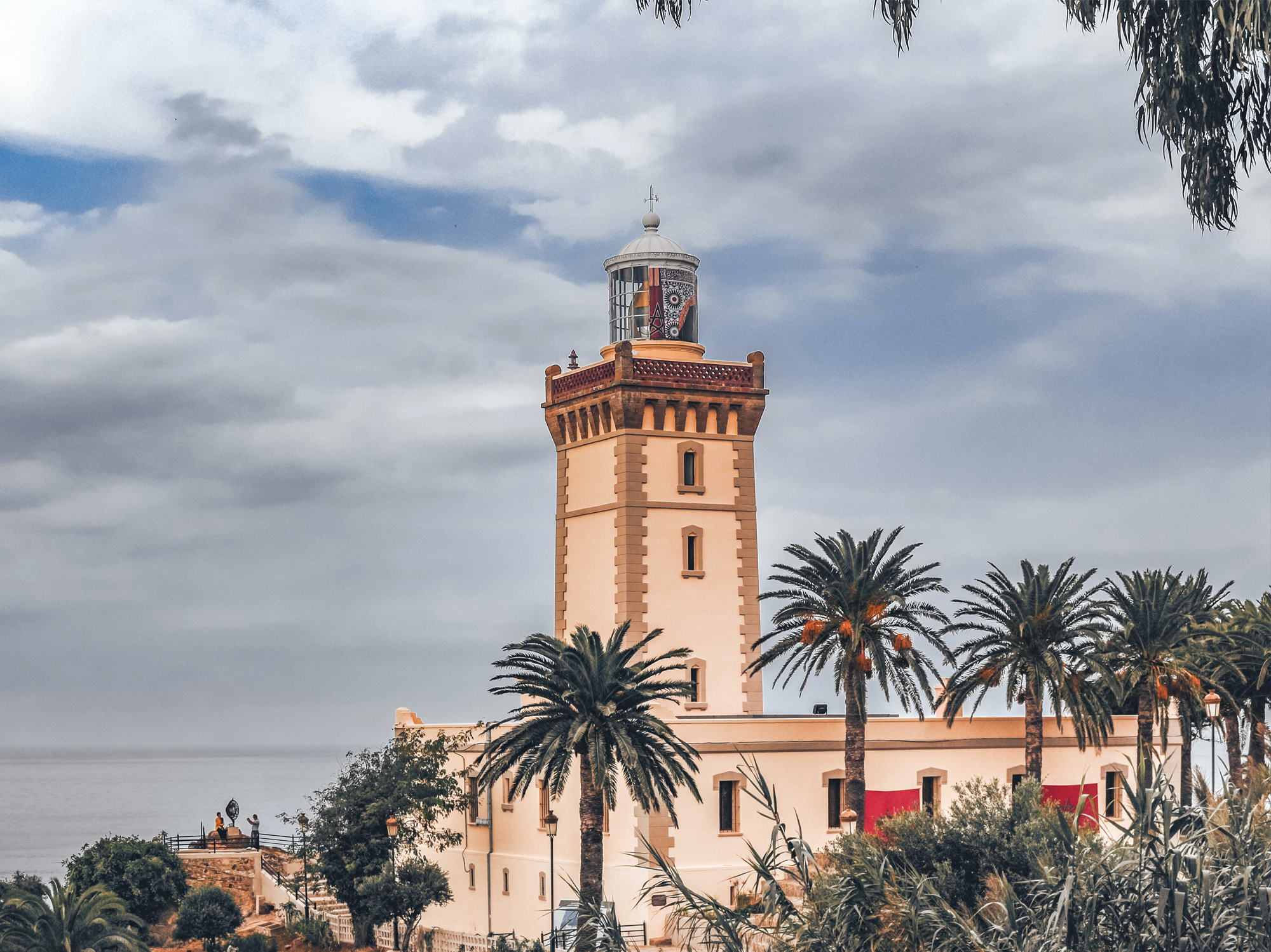
In 2022, Morocco hosted the main event in the vibrant city of Tangiers, highlighting the crucial theme of climate resilience
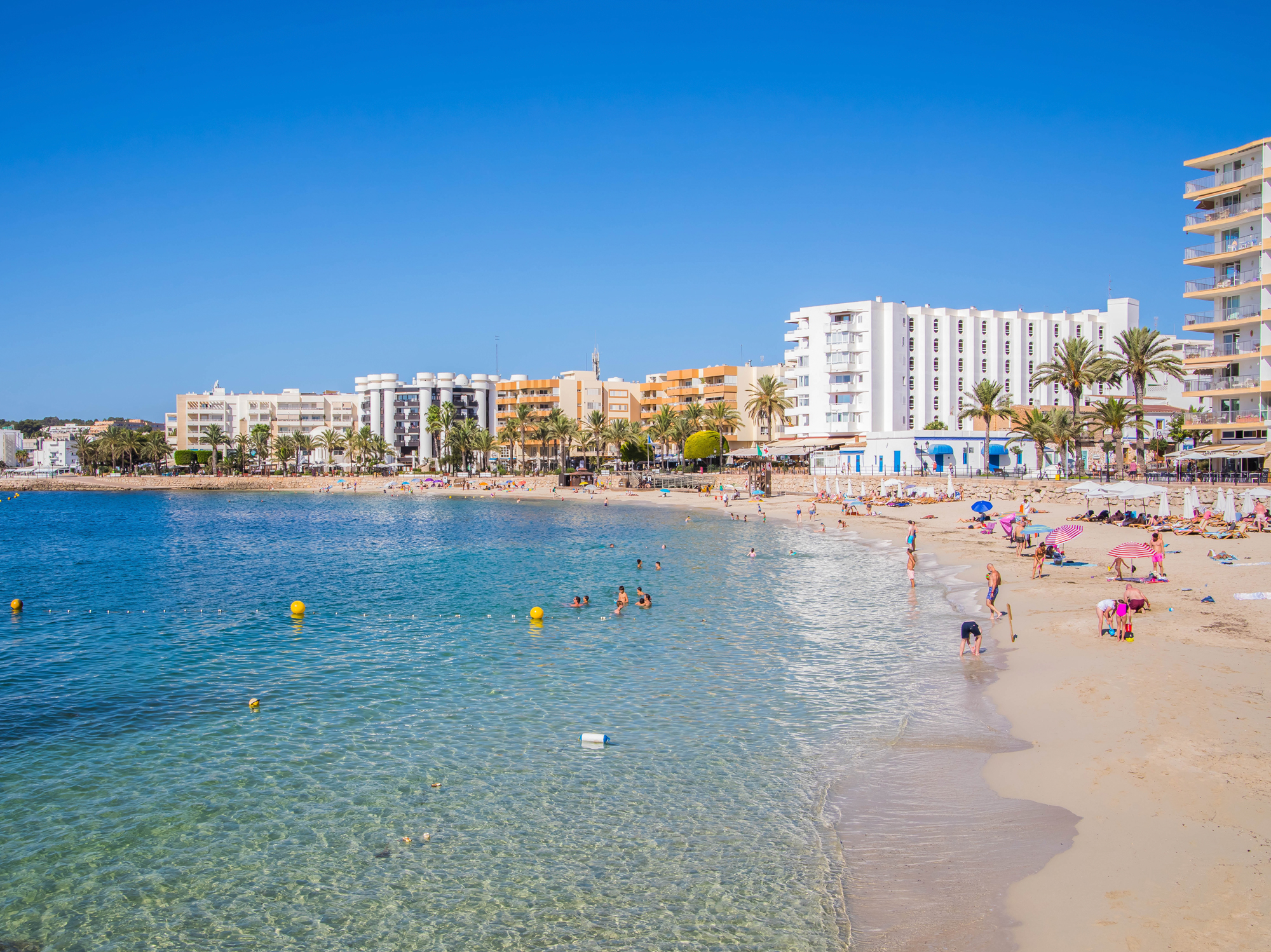
In 2021, the theme warned about the increasing coastal urbanisation and called for the promotion of sustainable tourism practices